

Rewatching the Classics: A Deep Dive into Bedknobs and Broomsticks
There is a certain magic in revisiting the films that defined the post-Walt era of Disney animation and live-action hybrids. As we kick off our new review series, we’re looking back at the 1971 musical fantasy Bedknobs and Broomsticks. Often compared to Mary Poppins, this film stands on its own as a quirky, ambitious, and surprisingly bold piece of cinema that captures the essence of "The Disney Touch."
The Gateway: A Look at the Opening Credits
One of the most striking elements of Bedknobs and Broomsticks, and something we will be examining in every film for this series, is the opening credit sequence. Before a single line of dialogue is spoken, the film sets a distinct historical and whimsical tone.
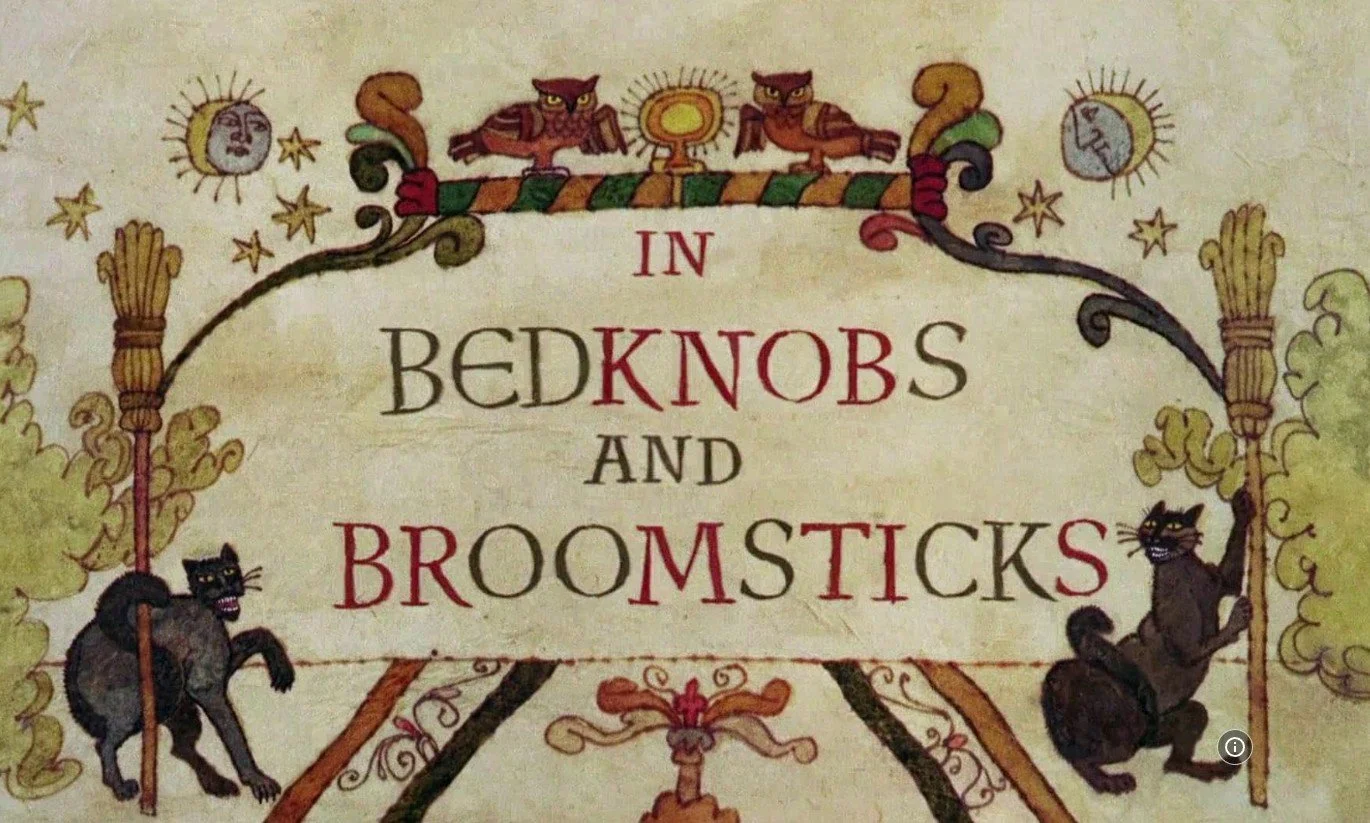
The credits are presented as a series of stylized medieval tapestries. The artwork is reminiscent of the Bayeux Tapestry, depicting knights, castles, and mystical symbols, but with a vibrant, mid-century Disney flair. As the names of the cast and crew appear, the camera pans across these woven scenes, accompanied by the brassy, adventurous overture by the Sherman Brothers.
It’s a masterclass in thematic foreshadowing. The tapestries ground the story in its British setting and the "Old English" magic of the Substitutiary Locomotion spell, while the animation hints at the "Isle of Naboombu" sequence yet to come. It tells the audience immediately: This is a story of history meeting hearsay.
The Architect: Bill Walsh’s Vital Role
You cannot discuss the success of this era of Disney film without talking about Bill Walsh. While many associate Disney films solely with Walt or the directors, Walsh was the powerhouse producer and screenwriter who shaped the "Disney Live-Action" identity.
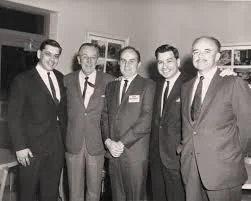
That’s Richard Sherman, Walt, ?, Robert Sherman, and Bill Walsh
Bill Walsh was a Disney Legend who started as a writer for the Mickey Mouse comic strip before moving into television and film. On Bedknobs and Broomsticks, he served as both producer and co-writer (alongside Don DaGradi). Walsh had a knack for "high-concept" Disney. He was the mind behind The Love Bug, The Absent-Minded Professor, and Mary Poppins.
His contribution to Bedknobs was essential in balancing the film’s disparate elements: the grim reality of World War II, the comedy of a "raw" witch in training, and the technical marvel of the animated football (soccer) match. Walsh understood that for the magic to work, the human elements, like the relationship between Miss Price and the three Rawlins children had to feel grounded and sincere.
A Production of Scale and Struggle
The production of Bedknobs and Broomsticks is a fascinating chapter in Disney history. Development actually began years earlier, as a "backup plan" in case the negotiations for the rights to Mary Poppins fell through. When Poppins became a massive hit, Bedknobs was shelved, only to be revived later with many of the same creative minds.
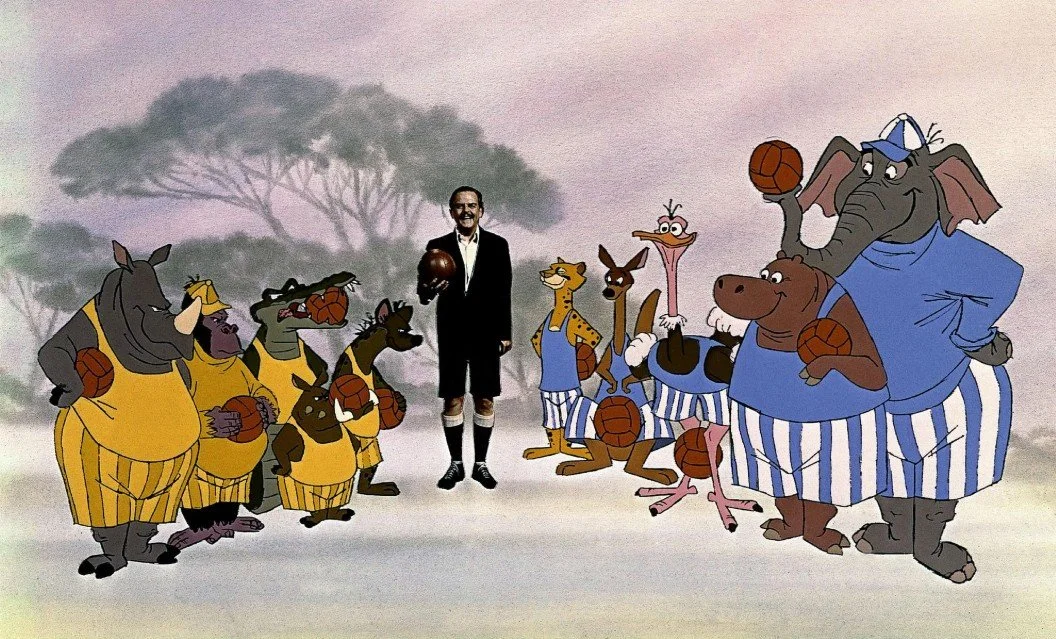
Filmed almost entirely at the Disney Studios in Burbank, the production team faced the massive challenge of recreating 1940s England. The "Portobello Road" sequence, which features a sprawling outdoor market and an incredible dance number, was one of the largest and most expensive sets ever built on the studio lot.
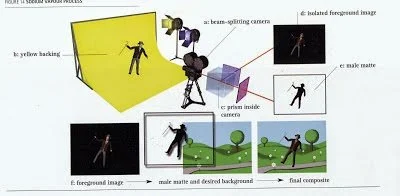
The film also pushed the boundaries of Sodium Vapor Process (Yellowscreen) technology. This allowed live actors to interact seamlessly with animated characters on the Isle of Naboombu. Unlike the blue screens of today, this process allowed for incredible detail even capturing the transparency of veils or the fine textures of clothing making the interaction between Angela Lansbury and the cartoon animals feel tactile and real.
Essential Items from the Movie
Part of the charm of this film lies in its iconic props and magical "rules." Here are a few items that define the Bedknobs experience:
The Bedknob itself: A simple brass knob that, when twisted "three-quarters to the left," transports the bed and its passengers anywhere they wish. It’s the ultimate "ticket to adventure" and a brilliant piece of practical magic.
The Star of Astoroth: A mystical amulet sought by Miss Price to complete her master spell. The hunt for this artifact drives the plot into the animated world of Naboombu.
The Substitutiary Locomotion Spell: This isn't just a incantation; it’s a living force. Seeing the empty clothes and museum armor rise up to the tune of "Treguna Mekoides Trecorum Satis Dee" remains one of the most chillingly cool moments in Disney history.
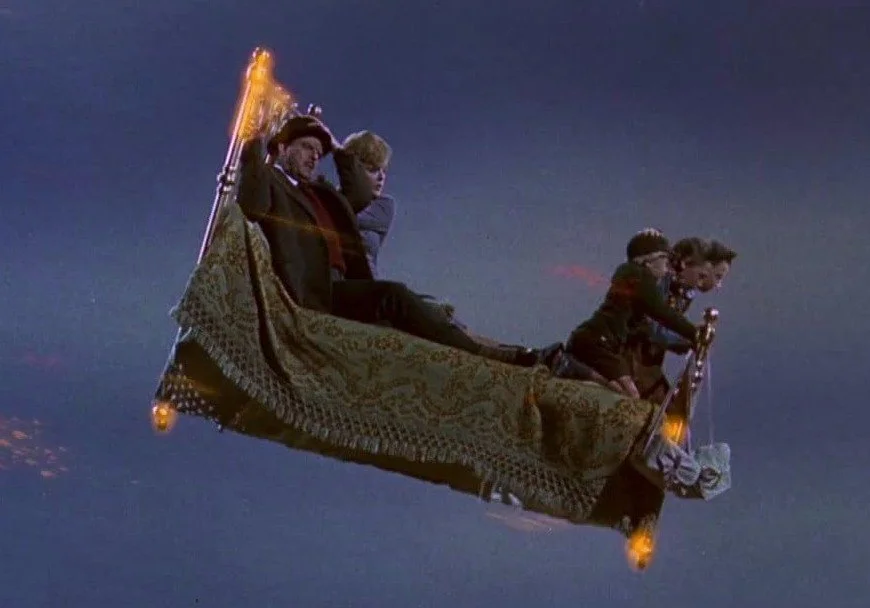
The Traveling Bed: A full-sized brass bed that serves as a magical vehicle. It’s a quintessential Disney visual taking a mundane household object and making it the center of a grand journey.
The Review: More Than Just "Bedknobs"
Rewatching the film today, the performance of Angela Lansbury as Eglantine Price remains the undisputed highlight. She brings a focused, no-nonsense energy to the role of an apprentice witch that prevents the movie from becoming too sugary.
The Music: The Sherman Brothers deliver some of their most underrated work here. While "Portobello Road" is the big ensemble piece, "The Age of Not Believing" is a poignant ballad that captures the film’s heart.
The Effects: The "Substitutiary Locomotion" finale, where empty suits of armor march against Nazi invaders, remains one of the most impressive technical feats of the time. It’s a sequence that feels both eerie and heroic.
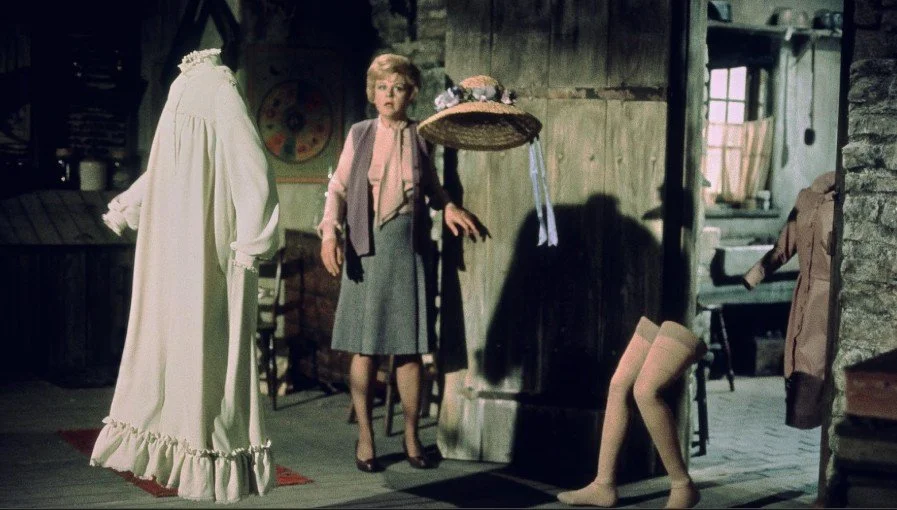
The Verdict: While the pacing can be a bit wandering in the middle act, the film’s climax and Lansbury’s charm make it a top-tier Disney classic. It’s a perfect example of how the studio used fantasy to tackle very real themes of bravery and found family.
What’s Next for the Series?
We want to hear from you! Does Bedknobs and Broomsticks hold a special place on your shelf, or are you more of a Mary Poppins purist?